Skip to content
  • About
  • Contact
  • Cookie Policy
  • Copyright Policy
  • Disclaimer
blissfulmeal
  • Home
  • Dinner
  • Appetizer
  • Desserts
  • Drinks
  • About
  • Contact
  • Privacy Policy
blissfulmeal
Home / Dinner - Page 35

Dinner

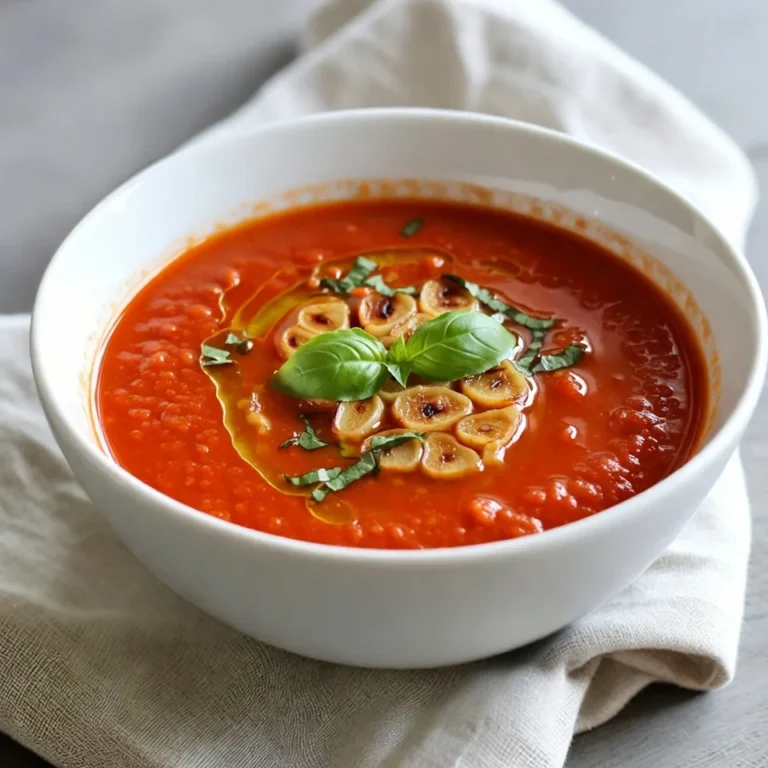
To make a delicious roasted garlic tomato soup, gather these key ingredients: - Ripe tomatoes - Garlic - Onion - Olive oil - Dried oregano - Vegetable broth - Salt and pepper - Fresh basil leaves - Balsamic vinegar (optional) Each ingredient plays a special role in the soup. Ripe tomatoes add sweetness and depth. Garlic brings warmth and a rich flavor. The onion gives a nice base, making the soup feel hearty. Olive oil helps blend all the flavors smoothly. Dried oregano adds a hint of earthiness. Vegetable broth provides a savory backdrop. Salt and pepper enhance all the other tastes. Fresh basil leaves brighten up each bowl. If you want a little extra zing, balsamic vinegar is perfect. It adds a touch of sweetness and complexity. By choosing fresh, high-quality ingredients, you elevate your soup. The vibrant colors and bold flavors will impress anyone who tastes it. {{ingredient_image_2}} Start by setting your oven to 400°F (200°C). Preheating is key for even cooking. A hot oven helps the tomatoes roast well. Next, take 6 ripe tomatoes and cut them in half. Place them cut-side up on a baking tray lined with parchment paper. Add 1 head of unpeeled garlic next to them. Drizzle 1 tablespoon of olive oil over the tomatoes and garlic. Then, sprinkle salt and pepper to taste. This will enhance the flavors. Roast everything for 30-35 minutes. You want the tomatoes to soften and the garlic to turn golden brown. While your tomatoes and garlic roast, take a large pot. Heat 1 tablespoon of olive oil over medium heat. Once hot, add 1 medium onion, finely chopped. Stir the onion for about 5 minutes. You want it to soften and turn translucent. This step adds depth to your soup. With these steps, you set a strong flavor base for your roasted garlic tomato soup. The warmth from the oven and the oil makes the kitchen smell amazing. Enjoy the process! To boost the taste of your roasted garlic tomato soup, consider these tips: - Add a splash of balsamic vinegar. - Use fresh herbs like thyme or rosemary. - Mix in a pinch of red pepper flakes for heat. - Top with a dollop of cream or yogurt for richness. Each add-on brings a unique layer to your soup. Experiment and find your favorite combo! For a smooth soup, blending is key. Here’s how: - Use an immersion blender for ease. - If using a standard blender, blend in small batches. - Let hot soup cool slightly before blending to avoid splashes. - Blend until completely smooth for the best texture. These methods help create a nice, creamy soup base. Serve your roasted garlic tomato soup with these ideas: - Pair it with crusty bread for dipping. - Add a sprinkle of croutons for crunch. - Garnish with fresh basil and a drizzle of olive oil. - Serve with a side salad for a complete meal. These simple touches make your soup even more enjoyable! Pro Tips Use Fresh Ingredients: Opt for the ripest tomatoes you can find, as they will provide the best flavor. Seasonal produce enhances the taste of your soup. Don’t Rush the Roasting: Allow the tomatoes and garlic to roast until caramelized. This process deepens their flavors, creating a richer soup. Adjust Consistency: If you prefer a chunkier soup, blend only half of the mixture and leave the other half unblended. This adds texture while still providing a smooth base. Experiment with Herbs: Feel free to mix in other herbs like thyme or basil during cooking for an aromatic twist. Fresh herbs can also be added as a garnish for added flavor. {{image_4}} You can make your roasted garlic tomato soup creamy by adding dairy. Stir in ½ cup of heavy cream or half-and-half after blending. This addition gives the soup a rich taste. For a lighter option, use coconut milk. It adds creaminess with a hint of sweetness. This variation pairs well with fresh basil. If you like heat, add spices to your soup. Try mixing in ½ teaspoon of red pepper flakes or diced jalapeños. Add them while the onions sauté for a deeper flavor. You can also drizzle in some hot sauce before serving. This variation brings a new kick to your soup. To keep it vegan, avoid dairy. Instead, use almond milk or cashew cream for creaminess. You can also add more vegetables like carrots or bell peppers when cooking the onions. This boosts nutrition and flavor. For added protein, toss in some cooked lentils or chickpeas. These changes keep your soup hearty and satisfying. Once your roasted garlic tomato soup cools, store it in an airtight container. This helps keep the flavors fresh. It will stay good for about 3 to 5 days in the fridge. Make sure to label the container with the date. This way, you won’t forget when you made it. If you want to save it for later, freezing is a great option. Pour the cooled soup into freezer-safe bags or containers. Leave some space at the top for expansion. You can freeze it for up to 3 months. When you’re ready to enjoy it, just thaw it in the fridge overnight. To reheat the soup, pour it into a pot over medium heat. Stir often to prevent it from sticking. Heat until it’s warm throughout, about 5 to 10 minutes. If the soup seems too thick, add a bit of vegetable broth or water. You can also use the microwave. Just heat it in short bursts, stirring in between. This keeps the soup smooth and tasty. Yes, you can use canned tomatoes. Choose whole or diced tomatoes. They save time and still taste great. Just remember to drain them if they are packed in juice. Using canned tomatoes makes this dish quick and easy. Roasted Garlic Tomato Soup pairs well with many foods. You can serve it with: - Grilled cheese sandwiches - Crusty bread or baguette - Fresh salads - Cheese platters These sides add texture and flavor, making your meal more satisfying. Roasted Garlic Tomato Soup lasts about 4-5 days in the fridge. Store it in an airtight container. Make sure it cools completely before refrigerating. You can also freeze the soup for up to 3 months for later enjoyment. This blog post covered how to make delicious roasted garlic tomato soup. You learned about key ingredients like ripe tomatoes, garlic, and fresh basil. We explored step-by-step instructions for roasting and mixing. You found tips on enhancing flavor and ideas for serving. Variations let you enjoy creamy or spicy twists. Lastly, storage tips ensure your soup stays fresh. Making this soup is fun and rewarding. You can easily impress family and friends. Enjoy every bite of your homemade creation!

Roasted Garlic Tomato Soup Flavorful and Hearty Dish

Read More Roasted Garlic Tomato Soup Flavorful and Hearty DishContinue

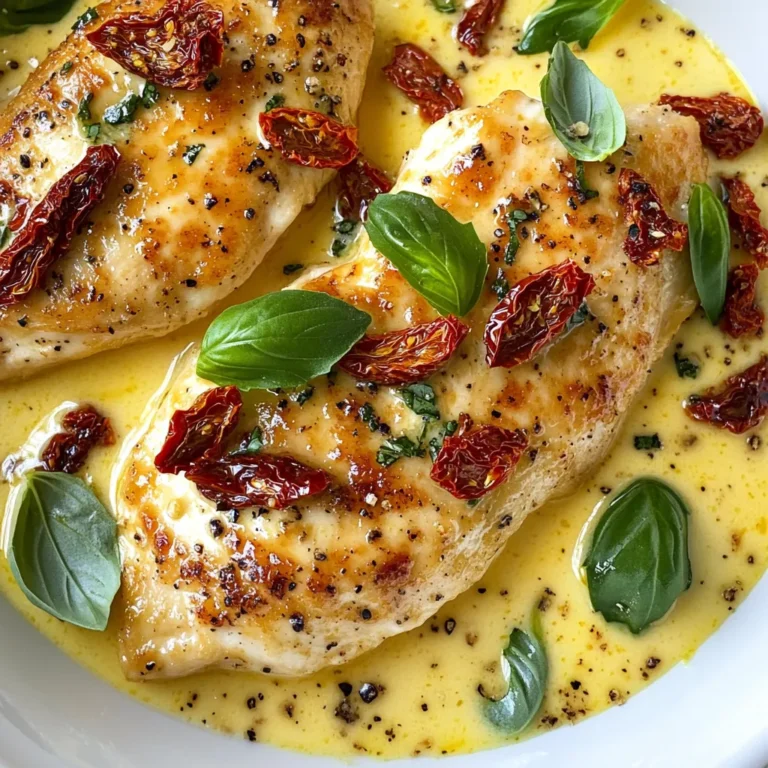
- 4 boneless, skinless chicken breasts - 1 cup heavy cream - 1/2 cup sun dried tomatoes, chopped - 1/2 cup chicken broth - 1/2 cup freshly grated Parmesan cheese - 2 cloves garlic, minced - 1 teaspoon dried basil - 1 teaspoon dried oregano - 1/2 teaspoon red pepper flakes (optional) - Salt and freshly ground black pepper to taste - 2 tablespoons extra virgin olive oil - Fresh basil leaves for garnish Creamy Sun Dried Tomato Chicken starts with simple, fresh ingredients. You need chicken breasts, heavy cream, and sun dried tomatoes. These add flavor and richness to the dish. You’ll also use chicken broth. Chicken broth enhances the taste and adds depth. Freshly grated Parmesan cheese gives a wonderful, cheesy finish. You can’t forget the garlic! It adds a savory touch that brings everything together. For seasoning, I like dried basil and oregano. These herbs add a nice, aromatic flavor. If you want a little heat, add red pepper flakes. Salt and black pepper help balance everything and enhance the taste. Lastly, don’t skip the extra virgin olive oil. It helps cook the chicken perfectly and adds a nice richness. Fresh basil leaves are a great garnish. They add color and freshness to your dish. Gather all these ingredients, and you’ll be ready to create a delicious meal that everyone will love. {{ingredient_image_2}} - Seasoning the chicken breasts: Start by seasoning both sides of the chicken breasts. Use salt and freshly ground black pepper. This step adds great flavor to the meat. - Searing the chicken in the skillet: Heat the extra virgin olive oil in a large skillet over medium heat. Once the oil shimmers, add the chicken breasts. Sear them for about 6-7 minutes on each side. You want them golden brown and cooked through. Once done, take the chicken out and set it aside on a plate. - Sautéing the garlic: In the same skillet, add the minced garlic. Cook it for about 30 seconds. Keep stirring until the garlic smells good and fragrant. - Deglazing the pan with chicken broth: Pour in the chicken broth next. Use a wooden spoon to scrape up any of those tasty bits stuck to the bottom of the pan. This adds extra flavor to your sauce. - Incorporating sun-dried tomatoes and herbs: Now, add the chopped sun-dried tomatoes. Sprinkle in the dried basil and oregano, along with the red pepper flakes if you want some heat. Stir it all together and let it simmer for 2–3 minutes. This lets the flavors mix well. - Crafting the creamy sauce and adding Parmesan: Reduce the heat to low. Gradually pour in the heavy cream while stirring. This will make a smooth sauce. Next, add the freshly grated Parmesan cheese, stirring until the sauce is rich and creamy. - Reintroducing the chicken and final seasoning: Place the seared chicken breasts back into the skillet. Make sure they are well covered in the sauce. Let everything simmer together for another 3–5 minutes. This helps the chicken soak up the sauce. Finally, taste your sauce and adjust the salt and pepper as needed. Best practices for searing chicken Searing chicken gives it a nice crust. Start with dry chicken breasts. Pat them with a paper towel before seasoning. This helps the chicken brown well. Heat olive oil in a hot skillet. Once it shimmers, add the chicken. Cook for 6-7 minutes per side. You want a golden color and cooked through meat. Avoid moving the chicken too much; let it sear. How to achieve a creamy sauce consistency To make a creamy sauce, start with low heat. When you add the heavy cream, stir slowly. This helps mix it well. Gradually add Parmesan cheese while stirring. This keeps the sauce smooth and rich. If it seems too thick, add a little chicken broth. This keeps it creamy without being too heavy. Adding more herbs or spices for depth To boost flavor, try adding fresh herbs. Fresh basil or parsley adds a bright taste. You might also use thyme or rosemary. Experiment with different spices to personalize the dish. A pinch of smoked paprika can add warmth. Suggestions for adjusting spice levels If you want more heat, add red pepper flakes. You can increase or decrease the amount based on your taste. If you need it milder, skip the red pepper flakes. You could use a bit of lemon juice for a fresh kick instead. Plating suggestions with accompaniments Serve the chicken over creamy polenta or steamed spinach. This adds color and texture. Drizzle some of the sauce over the chicken for a beautiful look. Make sure each plate gets a good amount of sauce. Garnishing options to elevate the dish Top your dish with fresh basil leaves. This adds a pop of green and a hint of freshness. You can also sprinkle extra Parmesan cheese for a nice touch. A few cherry tomatoes can add color and flavor as well. Pro Tips Choose Quality Ingredients: Using high-quality sun-dried tomatoes and fresh herbs can significantly enhance the flavor of your dish. Don’t Overcook the Chicken: To keep the chicken juicy, avoid overcooking it during the searing process; it should be golden brown on the outside while remaining tender inside. Adjust Creaminess: For a lighter sauce, substitute half of the heavy cream with low-fat milk or a non-dairy alternative without sacrificing too much flavor. Garnish for Flavor: Fresh basil not only adds a beautiful presentation but also enhances the overall flavor profile of the dish. {{image_4}} You can change some ingredients to fit your taste or diet. - Alternatives for heavy cream: If you want a lighter option, use half-and-half or coconut cream. Both will still give you a creamy texture. - Using different types of cheese: Try mozzarella or feta cheese instead of Parmesan. Each cheese brings a unique flavor that can change the dish. You can swap chicken for other proteins for variety. - Suggestions for substituting chicken with turkey or shrimp: Turkey works well and cooks similarly. Shrimp cooks quickly and adds a sweet flavor to the dish. - Vegetarian alternatives using tofu or mushrooms: Tofu is a great protein that soaks up the sauce. Mushrooms add a nice earthiness and texture. You can modify the recipe to fit dietary needs. - Making it dairy-free: Use coconut cream and dairy-free cheese. This keeps the dish creamy without milk products. - Low-carb variations: Skip the heavy cream and use cauliflower puree. This keeps the creaminess while cutting down on carbs. Experiment with these options to make the dish your own! Store your creamy sun-dried tomato chicken in an airtight container. This keeps the chicken fresh. It can last in the fridge for up to three days. Make sure it cools down to room temperature before sealing. This helps avoid condensation inside the container. If you plan to eat it later, consider storing the sauce and chicken separately. This method helps keep the chicken juicy and the sauce creamy. To reheat without losing creaminess, use the stove. Place the chicken and sauce in a skillet over low heat. Stir gently to avoid burning. Heat for about 5-7 minutes or until warmed through. You can add a splash of chicken broth or cream. This keeps the sauce smooth and rich. Avoid using the microwave, as it can make the sauce separate. If you want to freeze this dish, do it before reheating. Place the chicken and sauce in a freezer-safe container. Leave some space at the top as it may expand. It can last in the freezer for up to three months. When ready to eat, thaw it in the fridge overnight. Reheat it on the stove as mentioned above. This way, you preserve the flavor and texture. To keep chicken tender, brining works well. A simple brine uses water and salt. Soak the chicken for 30 minutes. This adds moisture and flavor. You can also marinate it. Use olive oil, lemon juice, and herbs. Let it sit for at least 30 minutes. This helps to break down tough proteins in the meat. Both methods give you juicy, tender chicken every time. Yes, you can prepare this dish ahead of time. Cook the chicken and sauce as directed. Once done, let it cool down. Store it in an airtight container in the fridge. It stays fresh for up to three days. When ready to eat, reheat gently on the stove. Add a splash of cream if the sauce thickens too much. This keeps the flavor rich and creamy. Several side dishes pair well with this creamy chicken. Here are some ideas: - Creamy polenta - Steamed spinach - Garlic mashed potatoes - Roasted asparagus - Buttered noodles - Quinoa salad These sides complement the rich flavor of the chicken. They also balance the meal nicely. Choose one or mix a few for a delicious spread! This blog post covered how to make Creamy Sun-Dried Tomato Chicken. We discussed key ingredients and step-by-step instructions. You learned tips for perfecting flavor and presentation. Feel free to try variations that suit your taste or dietary needs. Remember to store any leftovers properly. Enjoy making this dish, and share it with friends and family for a tasty meal!

Creamy Sun Dried Tomato Chicken Flavorful and Simple

Read More Creamy Sun Dried Tomato Chicken Flavorful and SimpleContinue

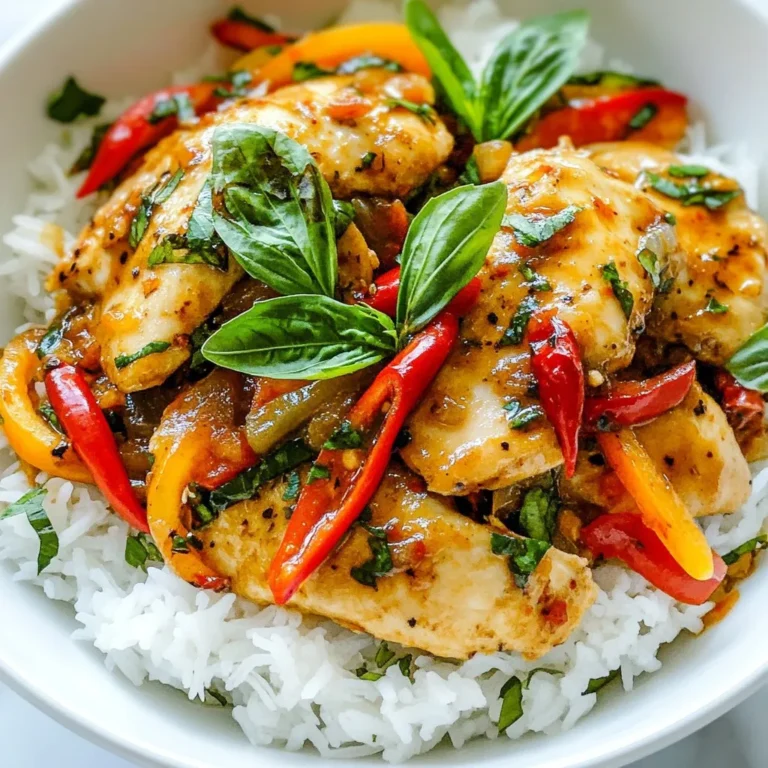
- 500g boneless chicken thighs, thinly sliced - 2-3 Thai red chilies, finely minced - 2 cups fresh Thai basil leaves, rinsed and patted dry - 3 tablespoons soy sauce - 1 tablespoon oyster sauce (optional for added depth) - 1 tablespoon fish sauce - 2 tablespoons vegetable oil - 4 cloves garlic, finely minced - 1 medium onion, sliced - 1 bell pepper, sliced - 1 tablespoon sugar - Cooked jasmine rice for serving In this recipe, the main ingredients shine. The chicken thighs give a tender bite. Thai red chilies add heat. Fresh basil brings a unique aroma. For the sauce, soy sauce provides saltiness. Oyster sauce adds a rich flavor. Fish sauce gives depth and umami. You also need vegetable oil for cooking. Garlic and onion offer a great base flavor. Bell pepper adds color and sweetness. Sugar balances the spice. Serve it all over fluffy jasmine rice, and you have a delightful meal! {{ingredient_image_2}} 1. Start by slicing 500g of boneless chicken thighs into thin strips. This helps the chicken cook evenly. 2. Next, slice one bell pepper and one medium onion. Choose a red or green bell pepper for color. 3. Finely mince four cloves of garlic and 2-3 Thai red chilies. Adjust the chilies to match your spice level. 1. Heat 2 tablespoons of vegetable oil in a large skillet or wok over medium-high heat. 2. Once hot, add the minced garlic and chilies. Stir-fry for about 30 seconds until fragrant. Be careful not to burn the garlic. 3. Raise the heat to high and add the sliced chicken. Sauté for 5-7 minutes, stirring often, until the chicken is browned. 4. Add the sliced onion and bell pepper to the skillet. Cook for 2-3 minutes until they soften. 5. In a small bowl, mix 3 tablespoons of soy sauce, 1 tablespoon of oyster sauce, 1 tablespoon of fish sauce, and 1 tablespoon of sugar. 6. Pour this sauce over the chicken and vegetables. Stir well to coat everything evenly. 1. Gently fold in 2 cups of fresh Thai basil leaves. Toss until the basil wilts, about 1 minute. 2. Serve the spicy Thai basil chicken hot over fluffy jasmine rice. This dish is best enjoyed fresh. For a beautiful presentation, serve in a large bowl with extra basil leaves and sliced chilies on top. A wedge of lime adds a nice touch too! How to make it spicier: You can add more Thai red chilies. Chop them finely and stir them in with garlic. You can also use chili paste for more heat. Making it milder for sensitivity: To reduce spice, use fewer chilies. Try removing the seeds from the chilies. You can also add more sugar or serve with extra jasmine rice to balance flavors. Ensuring chicken is juicy: Use boneless chicken thighs for more flavor and moisture. Cook them for just enough time until they turn golden brown. Avoid overcooking, as it makes the meat dry. Perfect stir-frying techniques: Make sure your oil is hot before adding ingredients. Stir constantly to avoid burning. This keeps the veggies crisp and the chicken tender. Serving styles: Serve the spicy Thai basil chicken in a large bowl. Place it over a fluffy bed of jasmine rice. This makes the dish look inviting and colorful. Garnishing for visual appeal: Add fresh basil leaves on top for a pop of green. You can also add a few sliced chilies for color. A wedge of lime on the side adds freshness and zest. Pro Tips Adjust Spice Level: You can control the heat of this dish by modifying the amount of Thai red chilies used. Start with one and increase according to your preference. Use Fresh Basil: For the best flavor, use fresh Thai basil. If unavailable, you can substitute with sweet basil, but the flavor will differ slightly. Perfectly Cooked Chicken: Make sure your chicken thighs are sliced evenly for consistent cooking. This helps in achieving a tender and juicy texture. Serving Suggestion: Serve with lime wedges on the side. The acidity complements the dish beautifully and enhances the overall flavor profile. {{image_4}} You can switch the chicken for tofu to make a vegetarian dish. Tofu soaks up flavors well. It gives a nice texture and taste. For meat lovers, try shrimp or pork. Both add a unique twist to the dish. Shrimp cooks fast and has a sweet flavor. Pork can add richness and pairs well with the spices. Feel free to add other veggies to your dish. Broccoli, snap peas, or carrots work great. They bring color and crunch to the meal. Seasonal veggies can also make it fresh. In summer, add zucchini or bell peppers. In winter, try bok choy or kale for a hearty touch. To make a gluten-free version, swap soy sauce for tamari. This keeps the flavor but makes it safe for gluten-free diets. You can also adjust the sauce flavors. Try adding hoisin sauce for sweetness. Or use sriracha for extra heat. Each change can give a new taste to this classic dish. To keep your spicy Thai basil chicken fresh, follow these steps: - Place leftovers in an airtight container. - Store in the fridge for up to three days. - For longer storage, freeze in a freezer-safe container. - Label the container with the date for easy tracking. When you freeze, the dish can last up to three months. Just be sure to let it cool before freezing. Reheating your spicy Thai basil chicken can be easy and tasty. Here’s how: - Use a microwave for quick reheating. Place it in a bowl and cover loosely. - Heat in short bursts of 30 seconds, stirring in between. - For stovetop reheating, use a skillet on low heat. Add a splash of water or broth to keep it moist. - Stir often to restore flavor and moisture. To keep the texture nice, avoid high heat. Your spicy Thai basil chicken stays fresh for a limited time. Here’s what to expect: - In the fridge, it lasts about three days. - If frozen, it can stay good for three months. - Look for signs of spoilage like off-smells or discoloration. If you see any signs, it's best to toss it. Enjoy your delicious meals safely! Spicy Thai basil chicken is a famous Thai dish. It combines chicken, Thai basil, and spicy chilies. This dish hails from Thailand, where bold flavors reign. It is popular for its aromatic herbs and rich sauces. The mix of sweet, salty, and spicy makes it a winner. You can find it in many Thai restaurants worldwide. The dish often features fresh ingredients, adding to its appeal. Yes, you can make this recipe ahead of time. Prepare the chicken and veggies, then store them in the fridge. You can cook it up to two days in advance. For best results, keep the sauce separate until you are ready to cook. This way, the chicken stays tender and juicy. When ready to eat, just heat it in a skillet until hot. Serve with fresh jasmine rice for a quick meal. Absolutely! Spicy Thai basil chicken is great for meal prep. You can pack it with rice or veggies for a balanced meal. It stores well in the fridge for up to four days. To include it in a weekly meal plan, make a large batch. Divide it into containers for easy lunches or dinners. Reheat portions as needed for a tasty and quick meal. This dish combines simple, fresh ingredients like chicken and basil for a tasty meal. You learned how to prepare the ingredients, cook them, and even adjust heat levels. Use my tips to make it yours. Don't forget the sauce; it ties everything together! Whether opting for chicken, tofu, or mixed veggies, this recipe offers great flexibility. Enjoy your homemade spicy Thai basil chicken!

Spicy Thai Basil Chicken Flavorful and Easy Recipe

Read More Spicy Thai Basil Chicken Flavorful and Easy RecipeContinue

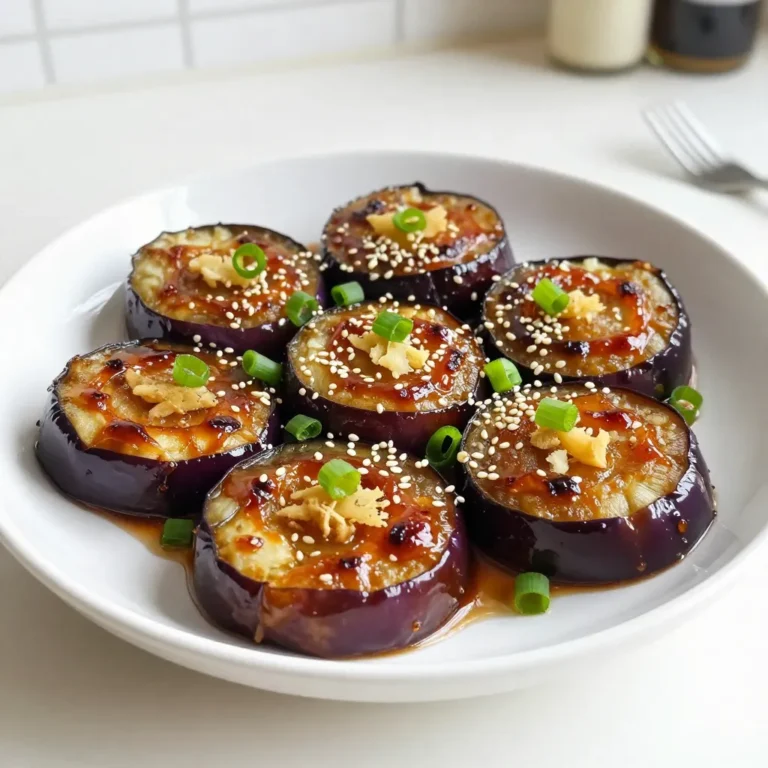
To make Miso Ginger Glazed Eggplant, you need: - 2 medium eggplants, sliced into 1-inch thick rounds - 3 tablespoons white or yellow miso paste - 2 tablespoons fresh ginger, grated - 2 tablespoons honey or maple syrup - 2 tablespoons soy sauce (or tamari for a gluten-free option) - 1 tablespoon sesame oil - 1 tablespoon rice vinegar - 2 cloves garlic, minced - 1 tablespoon sesame seeds (for garnishing) - Chopped green onions (for garnishing) Choose eggplants that are firm and smooth. Look for shiny skin without any blemishes or wrinkles. A good eggplant feels heavy for its size. Avoid any that seem soft or have dark spots. Smaller eggplants are often sweeter and less bitter. Always pick ones with bright green caps, which means they are fresh. If you can't find miso paste, try tahini or almond butter for creaminess. For soy sauce, coconut aminos work well as a gluten-free option. You can also mix in a bit of vinegar for tang. Adjust the flavors to your liking, but keep it simple. Cooking should be fun, and you can always experiment! {{ingredient_image_2}} First, preheat your oven to 400°F (200°C). This temperature helps the eggplant cook evenly. While your oven heats, get a baking sheet and line it with parchment paper. This step prevents the eggplant from sticking. Next, take your eggplants and slice them into 1-inch thick rounds. Now, let’s make the glaze. In a medium bowl, combine miso paste, grated ginger, honey or maple syrup, soy sauce, sesame oil, rice vinegar, and minced garlic. Whisk these together until smooth. This glaze adds great flavor to the eggplant. Using a basting brush, apply the glaze to both sides of each eggplant slice. Make sure they are well-coated. This step gives each piece a rich taste. Place the baking sheet with the coated eggplant in the preheated oven. Bake it for about 25-30 minutes. To ensure even cooking, flip the slices halfway through. This helps both sides get that nice caramelized look. For even more flavor, baste the eggplant with any leftover glaze during this time. Caramelization brings out the sweetness in the eggplant. To get it just right, watch the time carefully. The eggplant should be tender and have a golden-brown color. If you notice that it isn’t caramelizing as you want, leave it in a bit longer. Once ready, take the eggplant out of the oven and let it cool for a few minutes. This cooling helps set the glaze. When serving, sprinkle sesame seeds and chopped green onions on top. These add a lovely crunch and color. Enjoy your delicious dish! To boost the flavor of your miso ginger glazed eggplant, add a splash of citrus. Lemon or lime juice brightens the dish. You can also mix in some chili paste for a spicy kick. This extra layer makes each bite more exciting. Consider using toasted sesame oil instead of regular sesame oil. It adds a nutty richness that stands out. One common mistake is not salting the eggplant before cooking. Salting draws out moisture and bitterness. It helps the eggplant fry better and taste sweeter. Another mistake is overcrowding the baking sheet. Give each slice space to breathe. This helps them caramelize and brown evenly. Lastly, avoid skipping the basting step. It keeps the glaze moist and flavorful. For a beautiful presentation, use a large, colorful platter. Arrange the eggplant in a fan shape or stack vertically. Top with sesame seeds for crunch and chopped green onions for color. A drizzle of extra sesame oil adds shine and flavor. Fresh herbs like cilantro or basil can brighten the plate. Keep the garnishes simple to let the eggplant shine. Pro Tips Use Firm Eggplants: Choose firm and smooth eggplants for the best texture and flavor. Overripe eggplants can be bitter and mushy. Experiment with Miso: Different types of miso (red, white, yellow) offer varying flavors. Try using red miso for a deeper umami taste. Don't Skip the Marinade: Let the eggplant marinate in the miso glaze for at least 30 minutes before baking for more intense flavor. Garnish Creatively: Consider adding crushed peanuts or chili flakes as additional garnishes for a delightful crunch and heat. {{image_4}} You can easily make this glaze vegan. Simply swap honey for maple syrup. This sweetener gives a nice taste while keeping it plant-based. Besides maple syrup, you can also use agave nectar. Both options work great and taste wonderful. While eggplant shines in this recipe, other veggies work too. Try zucchini, bell peppers, or even carrots. Slice them into thick pieces to mimic the eggplant. The glaze will add flavor to any vegetable you choose. Just remember to adjust the baking time based on the vegetable's thickness. You can play with flavors in the glaze. Add a pinch of chili flakes for heat. Or mix in fresh basil for a sweet twist. Using cilantro or mint adds a fresh touch. Experiment with these options to find your favorite flavor combo. Each change can make the dish feel new and exciting. To keep leftover miso ginger glazed eggplant fresh, store it in a sealed container. Make sure it cools down first. Place a piece of parchment paper between layers if stacking. This helps avoid sogginess. Store it in the fridge for up to three days. When reheating, use the oven for best results. Preheat your oven to 350°F (175°C). Place the eggplant slices on a baking sheet. Heat them for about 10 minutes. This method keeps the eggplant crispy. You can also use a microwave. Just heat for one minute, checking often to prevent drying. You can freeze baked eggplant, but it may lose texture. Let it cool completely. Place pieces in a single layer on a baking sheet. Freeze until solid, then transfer to a freezer bag. Remove as much air as possible. It can last up to three months. When ready to eat, thaw in the fridge overnight. Reheat in the oven for best results. Yes, you can use other types of miso paste. White miso is mild and sweet. Yellow miso has a slightly stronger flavor. Red miso is bold and salty. Each type brings a unique taste. Choose based on your preference. Miso ginger glazed eggplant lasts about 3 to 5 days in the fridge. Store it in an airtight container. This keeps it fresh and tasty. Reheat it in the oven or microwave before serving. Miso ginger glazed eggplant pairs well with rice or quinoa. It also complements stir-fried veggies and tofu. Add a side of steamed broccoli for color. A light salad can balance the flavors, too. Enjoy experimenting with different sides! Miso ginger glazed eggplant is easy to make and full of flavor. You learned about choosing the best eggplant and how to coat it for baking. We explored tips to avoid common mistakes and make your dish shine. You can even swap ingredients and try different veggies. Remember to store your leftovers properly to keep them tasty. Now, get ready to enjoy this delicious dish and impress your friends and family. Happy cooking!

Miso Ginger Glazed Eggplant Flavorful and Simple Dish

Read More Miso Ginger Glazed Eggplant Flavorful and Simple DishContinue

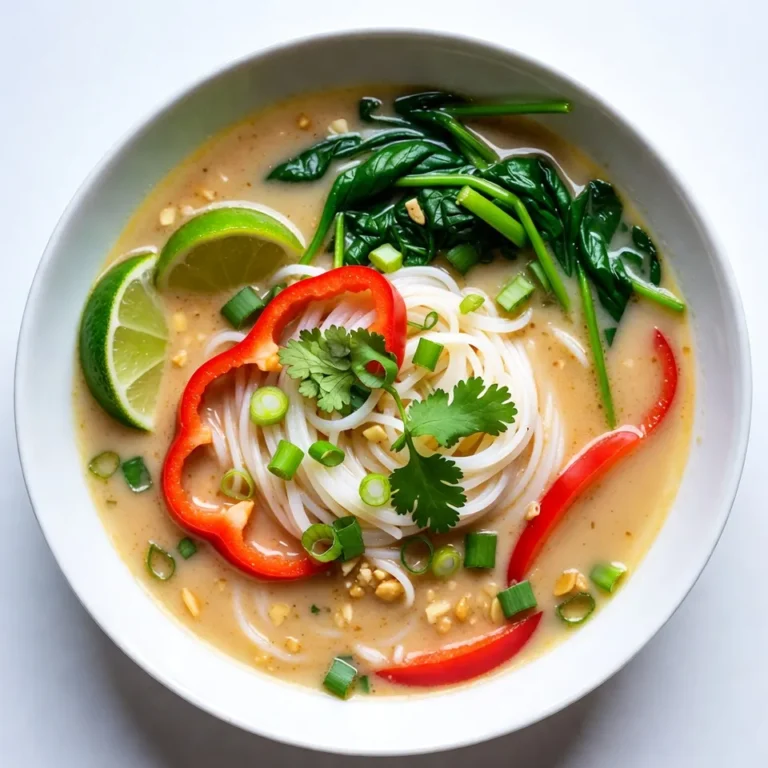
- 200g rice noodles - 1 tablespoon coconut oil - 1 medium onion, finely chopped - 3 cloves garlic, minced - 1 tablespoon fresh ginger, grated - 2 tablespoons red curry paste - 1 can (400ml) coconut milk - 2 cups vegetable broth - 1 tablespoon soy sauce - 1 tablespoon brown sugar - 1 red bell pepper, thinly sliced - 1 cup baby spinach - 2 green onions, sliced, for garnish - Fresh cilantro, chopped, for garnish - Lime wedges, for serving - You can add protein like chicken, tofu, or shrimp. - For coconut milk, use almond milk or soy milk as a substitute. - If you can’t find red curry paste, try yellow or green curry paste. This soup brings warmth and comfort. Each ingredient plays a role in creating a rich, flavorful dish. The rice noodles offer a soft base, while the coconut milk adds creaminess. The red curry paste gives it a nice kick. You can customize it easily with your favorite veggies or proteins. Enjoy your cooking and make it your own! {{ingredient_image_2}} To cook rice noodles, start by boiling water in a pot. Add the noodles to the boiling water. Cook them for 4-6 minutes or until they are soft. Keep an eye on them, as they can get too mushy. Once cooked, drain the noodles in a colander. Rinse them under cold water to stop the cooking process. Set them aside in a bowl. In a large pot, heat 1 tablespoon of coconut oil over medium heat. Add the finely chopped onion and sauté it for about 5 minutes. You want the onion to become soft and clear. Then, stir in 3 cloves of minced garlic and 1 tablespoon of grated ginger. Cook for another 1-2 minutes until it smells great. Now, add 2 tablespoons of red curry paste. Mix it well with the onions, garlic, and ginger. Cook for 1 more minute to bring out the flavors. Next, pour in 1 can of coconut milk and 2 cups of vegetable broth. Stir well to mix the curry paste into the liquid. Add 1 tablespoon of soy sauce and 1 tablespoon of brown sugar. Increase the heat a bit and bring the soup to a gentle simmer. Now, add the thinly sliced red bell pepper. Let it simmer for about 5 minutes, so it softens but stays crunchy. Finally, fold in 1 cup of baby spinach and let it wilt for about 2 minutes. This will add color and nutrients to your soup. - Optimal cooking times for each ingredient: Start by cooking the rice noodles. Follow the package instructions. They usually take about 5 minutes. Next, sauté the onions for 5 minutes, then cook garlic and ginger for 1-2 minutes. The vegetables should be soft and fragrant. Add the red curry paste and cook for 1 minute to unlock its full flavor. Pour in the coconut milk and broth, then simmer for about 5 minutes with the red bell pepper. Finally, add spinach and let it wilt for 2 minutes. - Adjusting spice levels with curry paste: Red curry paste has a strong flavor. If you like it spicy, use more paste. Start with 2 tablespoons and taste. You can always add more. If you prefer mild flavors, use just 1 tablespoon. Adjust based on your taste. Remember, you can add spice but can't take it away! - What to use in place of coconut milk: If you can't find coconut milk, you can use almond milk or oat milk. These options give a different flavor but still work well. You can also mix heavy cream with water for a thick consistency. - Alternatives for soy sauce for gluten-free options: For a gluten-free choice, use tamari instead of soy sauce. It tastes similar and adds saltiness. You can also use coconut aminos for a sweeter flavor. Both options keep the dish gluten-free without losing taste. - Best sides to pair with the soup: Serve the soup with a side of crusty bread or rice. Both soak up the delicious broth. A simple salad with lime dressing adds freshness too. - Storage and reheating tips for leftovers: Store any leftover soup in an airtight container. It lasts about 3 days in the fridge. When reheating, add a splash of broth or water. This keeps the soup from getting too thick. Warm it on the stove for the best texture. Pro Tips Use Fresh Ingredients: Whenever possible, opt for fresh vegetables and herbs to enhance the flavor and nutritional value of your soup. Adjust Spice Level: If you prefer a spicier soup, add more red curry paste or a few slices of fresh chili peppers to taste. Customize Your Veggies: Feel free to substitute or add other vegetables such as carrots, zucchini, or mushrooms for added texture and flavor. Storage Tips: Store leftovers in an airtight container in the refrigerator for up to 3 days. Reheat gently on the stove for the best texture. {{image_4}} You can easily make this soup vegan or vegetarian. Just skip any meat and use vegetable broth. The coconut milk adds rich flavor, so you won’t miss the meat. For a low-carb option, use zucchini noodles instead of rice noodles. They cook fast and soak up the curry flavor well. If you need gluten-free, check your soy sauce label. Some brands have gluten-free options. To change the flavor, add fresh herbs like basil or mint. A squeeze of lime juice brightens the soup. If you like heat, toss in some chili flakes or fresh chilies. You can also mix in different vegetables. Try carrots, snap peas, or mushrooms for added texture and taste. For protein, add cooked chicken, shrimp, or tofu. Each choice adds a unique twist. While this dish is Thai, you can explore other Southeast Asian flavors. For example, add a dash of fish sauce for depth. You might also try a splash of tamarind for tang. Personalize your soup with toppings like crushed peanuts, bean sprouts, or a drizzle of chili oil. Each little touch makes the dish your own and adds layers of flavor. After you enjoy your Thai Coconut Curry Noodle Soup, store any leftovers in the fridge. First, let the soup cool to room temperature. Then, transfer it to an airtight container. This keeps the flavors fresh. Your soup will last about three to four days in the fridge. Always check for any signs of spoilage before eating. Yes, you can freeze Thai Coconut Curry Noodle Soup! Freezing is a great option if you want to enjoy it later. To freeze, let the soup cool completely. Then, pour it into a freezer-safe container. Leave some space at the top for the soup to expand. When you're ready to eat, thaw the soup overnight in the fridge. Reheat it gently on the stove until hot. Stir well to mix the ingredients. Use glass or BPA-free plastic containers for storing your soup. These help keep the soup fresh and tasty. For labeling, write the date on the container. This way, you know when you made it. You can also add a note about what’s inside. This helps avoid confusion later on. How spicy is Thai Coconut Curry Noodle Soup? The spice level depends on the red curry paste you use. A standard red curry paste offers moderate heat. If you prefer less spice, start with a smaller amount and taste as you go. You can always add more later, but it’s hard to take spice away! Can I make this recipe in advance? Yes, you can make this soup ahead of time. Prepare the soup base and store it in the fridge. Cook the noodles separately and add them just before serving. This keeps the noodles from getting mushy. What's the best way to reheat the soup? To reheat, warm the soup in a pot over medium heat. Stir often to ensure it heats evenly. If the soup gets too thick, add a splash of broth or water to thin it out. Can I use different types of noodles? Absolutely! While rice noodles are traditional, you can use egg noodles or whole wheat noodles. Just cook them according to package instructions before adding them to the soup. What if I can’t find red curry paste? If you can’t find red curry paste, try making your own with dried spices. Use chili powder, garlic powder, and ginger powder as a base. You can also look for yellow or green curry paste, but they will change the flavor. Are there any nut-free alternatives for coconut milk? Yes, you can use oat milk or soy milk as a substitute. They will alter the flavor, but they work well in this dish. Make sure to choose unsweetened versions for the best results. In this blog post, we explored how to make a delicious Thai Coconut Curry Noodle Soup. We covered the key ingredients like rice noodles and coconut milk, along with steps to prepare the soup. You also learned tips for cooking and storage, as well as variations to suit different diets. Enjoy experimenting with flavors and ingredients. This dish is easy, tasty, and perfect for any meal. Happy cooking!

Thai Coconut Curry Noodle Soup Simple and Comforting Meal

Read More Thai Coconut Curry Noodle Soup Simple and Comforting MealContinue

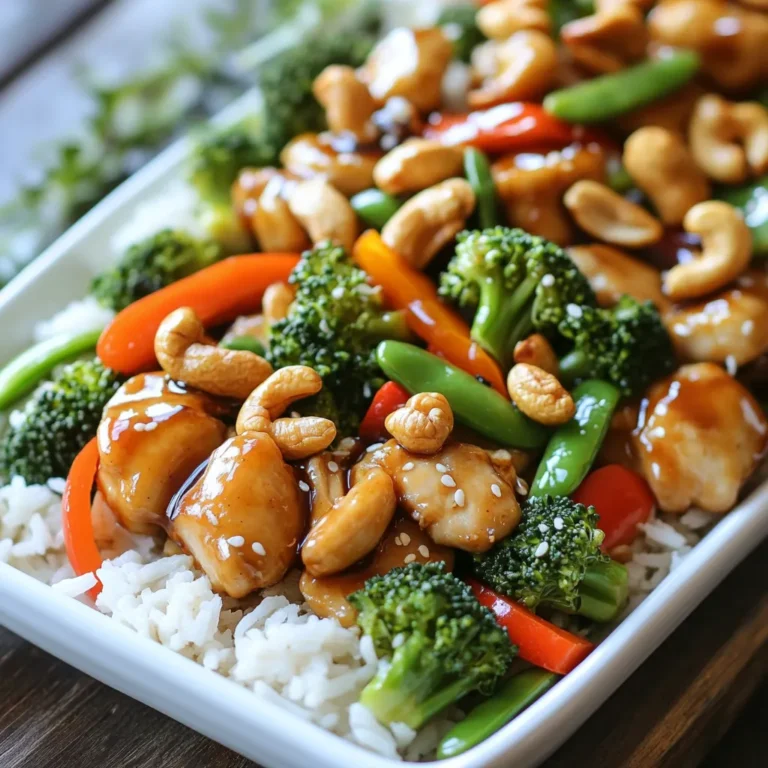
- 1 lb chicken breast, diced into bite-sized pieces - 1 cup unsalted roasted cashews - 2 cups fresh broccoli florets - 1 red bell pepper, sliced into strips - 1 cup snap peas, ends trimmed - 3 tablespoons soy sauce (or tamari) - 2 tablespoons honey (or maple syrup) - 1 tablespoon rice vinegar - 2 teaspoons sesame oil - 3 cloves garlic, minced finely - 1 tablespoon fresh ginger, grated - Salt and freshly cracked black pepper to taste I use these ingredients to create a tasty meal. The chicken breast gives a good source of protein. I love how the cashews add a nice crunch. Fresh vegetables like broccoli, bell pepper, and snap peas add color and nutrients. The sauces bring the dish to life. I often use soy sauce or tamari for a gluten-free option. Honey or maple syrup adds a touch of sweetness. Rice vinegar gives a nice tang that balances the flavors. The sesame oil adds richness to the dish. Garlic and ginger are must-haves for depth. Finally, salt and black pepper enhance all the flavors. These ingredients make this sheet pan cashew chicken a quick and tasty meal. You’ll love how easy it is to put together! {{ingredient_image_2}} 1. Preheat your oven to 400°F (200°C). This helps cook the chicken and veggies well. 2. Prepare a large baking sheet. Line it with parchment paper or foil for easy cleanup. 3. Take the chicken breast and dice it into bite-sized pieces. 4. Wash and chop fresh broccoli into florets. 5. Slice the red bell pepper into strips. 6. Trim the ends from the snap peas. 1. In a small bowl, combine the soy sauce (or tamari), honey (or maple syrup), rice vinegar, and sesame oil. 2. Add in the minced garlic and grated ginger. 3. Whisk everything together until it's smooth and well mixed. This will be your tasty marinade. 1. Pour the marinade over the chicken and veggies. Toss them well to coat every piece. 2. Spread the mix evenly on the prepared baking sheet. Keep it in a single layer. 3. Sprinkle the unsalted roasted cashews over the top. 4. Season with salt and freshly cracked black pepper to taste. 5. Bake in the oven for 20-25 minutes. Stir halfway through to ensure even cooking. 6. Check that the chicken is cooked through and the veggies are tender. 7. When finished, take it out of the oven and let it cool slightly before serving. To ensure even cooking, spread the chicken and veggies in a single layer. This helps all the pieces roast properly. Stir the mix halfway through baking. This keeps everything cooking evenly. Check chicken doneness by cutting a piece in the middle. The meat should be white and juices should run clear. If it's pink, return it to the oven for a few more minutes. Serve the cashew chicken over fluffy jasmine rice for a filling meal. The rice soaks up all the tasty sauce. For a beautiful look, garnish with extra roasted cashews. A sprinkle of sesame seeds adds nice texture. You can also add fresh cilantro leaves for a pop of green. For a gluten-free option, swap soy sauce with tamari. This keeps the flavor while avoiding gluten. If you prefer a different sweetener, use maple syrup instead of honey. It gives a lovely sweetness without using honey. Pro Tips Marinate for Flavor: Allow the chicken to marinate for at least 30 minutes before baking to enhance the flavor. For even better results, marinate overnight in the refrigerator. Use Fresh Ingredients: Fresh vegetables not only add vibrant color but also provide better texture and flavor. Try to use seasonal produce for the best results. Adjust Cooking Time: Depending on your oven's efficiency, you may need to adjust the cooking time slightly. Always check that the chicken is fully cooked and the veggies are tender but still crisp. Customize Your Veggies: Feel free to substitute or add other vegetables such as carrots, bell peppers, or zucchini to suit your taste preferences and what's in your fridge. {{image_4}} You can change up the veggies in this dish. Try using bell peppers of different colors, like yellow or green. Carrots, zucchini, or even cauliflower work well too. These swaps add variety and make your meal more colorful. Mixing in colorful vegetables not only looks great but also boosts nutrition. Each vegetable brings its own flavor and texture. So, feel free to get creative with what you have in your fridge! Want to switch the protein? You can use tofu or shrimp instead of chicken. Both options absorb the sauce nicely. If you have leftover chicken, this is a perfect way to use it. Just chop it up and toss it in with the veggies. This flexibility allows you to make the dish fit your needs. You can even mix proteins for a fun twist! Adjust the sweetness or saltiness to suit your taste. If you like it sweeter, add more honey or maple syrup. For a saltier kick, add extra soy sauce. Feel free to experiment with spices and herbs. Adding red pepper flakes gives a nice heat. Fresh cilantro or parsley can brighten the flavors. These tweaks let you customize the dish to your liking! To store leftovers, let the dish cool first. Place it in an airtight container. This keeps the meal fresh. The best containers for storage are glass or BPA-free plastic. They seal tightly and prevent spills. To freeze the dish, let it cool completely. Then, portion it into freezer-safe bags. Remove as much air as possible before sealing. For reheating, thaw overnight in the fridge. Reheat in the oven at 350°F for about 15-20 minutes. This warms it through without drying it out. In the fridge, the dish lasts up to three days. Keep an eye on the texture and smell. Signs of spoilage include a sour smell or slimy chicken. Trust your senses to keep your meals safe! How to ensure chicken is juicy? To keep chicken juicy, do not overcook it. Bake until the internal temperature reaches 165°F. You can also marinate the chicken for at least 30 minutes. This adds flavor and moisture. Can I use frozen vegetables? Yes, you can use frozen vegetables. Just ensure they are thawed and drained before adding them to the dish. This helps avoid excess water in your meal. What can I serve with cashew chicken? I recommend serving cashew chicken over jasmine rice. You can also add a side of steamed vegetables for extra color and nutrients. A light salad works well, too. How can I make this dish spicier? To add heat, include red pepper flakes or sliced jalapeños. You can also add a dash of hot sauce to the marinade. Adjust the amount to match your spice level. Can I make this in a slow cooker? Yes, you can make this dish in a slow cooker. Combine all ingredients in the cooker. Cook on low for 4-6 hours or high for 2-3 hours. What if I’m allergic to nuts? If you're allergic to nuts, skip the cashews. You can replace them with sunflower seeds or leave them out completely. The dish will still be tasty and flavorful. This blog post shared a delicious recipe for cashew chicken, highlighting its main ingredients, sauces, and seasonings. I provided a simple step-by-step guide for preparation, mixing, and baking.Important cooking and presentation tips made your dish stand out. You also learned about ingredient variations and storage tips for leftovers. Enjoy exploring flavors and making this dish your own! Keep cooking with confidence and creativity.

Sheet Pan Cashew Chicken Quick and Tasty Meal

Read More Sheet Pan Cashew Chicken Quick and Tasty MealContinue

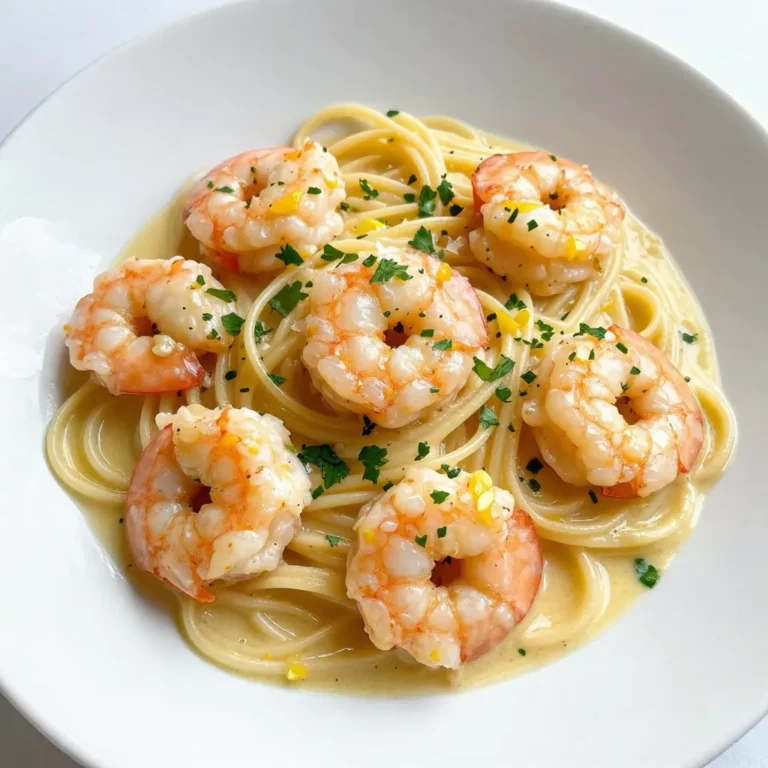
- 1 lb large shrimp, peeled and deveined - 4 tablespoons unsalted butter - 4 tablespoons olive oil - 4 cloves garlic, minced - 1 teaspoon red pepper flakes (adjust to taste) - Zest of 1 lemon - Juice of 2 lemons - Salt and freshly cracked black pepper to taste - 1/2 cup chicken broth or vegetable broth - 1/2 cup finely chopped fresh parsley - 8 oz linguine or spaghetti - Grated Parmesan cheese for serving (optional) This dish sings with fresh flavors. The large shrimp are the stars, providing a juicy bite. The unsalted butter and olive oil create a smooth base. Garlic adds depth, while red pepper flakes give a gentle kick. The lemon zest and juice bring brightness and balance to every bite. You can adjust the heat by adding more or less red pepper flakes. The fresh parsley adds a pop of color and freshness. The chicken or vegetable broth enhances the sauce, making it rich and savory. If you want, sprinkle some grated Parmesan cheese on top when serving for extra flavor. Gather all these ingredients before you start. This way, you’ll have everything ready for a quick and easy cooking experience. Enjoy the vibrant tastes of this Lemon Garlic Shrimp Scampi! {{ingredient_image_2}} - Bring salted water to a boil. - Cook linguine or spaghetti until al dente. - Drain and reserve about 1/2 cup of starchy water. To start, I fill a large pot with water and add salt. The salt helps flavor the pasta as it cooks. Once the water boils, I add the linguine or spaghetti. I cook it according to the package instructions. Al dente means the pasta should be firm but not hard. After cooking, I drain the pasta and save some starchy water. This water will help make the sauce creamy. - Heat olive oil and butter in a skillet. - Sauté garlic and red pepper flakes. - Cook shrimp until pink and opaque. Next, I grab a large skillet and heat olive oil with butter over medium heat. The oil and butter add richness to the dish. Once melted, I toss in minced garlic and red pepper flakes. I sauté them for about a minute. I want the garlic to smell good without browning. Then, I add the shrimp to the skillet. I spread them out evenly and season with salt, pepper, and lemon zest. I cook them for 2-3 minutes on each side until they turn pink and opaque. - Add broth and lemon juice to the skillet. - Toss in cooked pasta and remaining butter. - Adjust seasoning and incorporate parsley. In this step, I pour chicken broth and fresh lemon juice into the skillet. I stir gently to mix everything. I let it simmer for another 2 minutes. This helps the flavors come together nicely. After that, I add the cooked pasta and the rest of the butter. I toss everything well. If the dish looks dry, I add some of the starchy water until it’s creamy. Finally, I remove the skillet from heat and fold in chopped parsley. I taste it and adjust the seasoning as needed. This step ensures every bite is full of flavor. Make sure the shrimp are evenly spread in the skillet. This helps them cook well. If you pile them up, they may steam instead of sear. Cook the shrimp for 2-3 minutes on each side. Remove them when they turn pink and opaque. Overcooking makes them tough, which is not what we want. Use reserved pasta water to adjust the sauce's creaminess. This starchy water helps bind the sauce to the pasta. Keep tasting as you mix in the pasta. This way, you can balance the flavors just right. If it tastes flat, add a bit more lemon juice or salt. To boost brightness, add more lemon juice or zest. The lemon gives a fresh kick that brightens the dish. You can also incorporate fresh herbs, like parsley or basil. They add a burst of freshness and color to your meal. Don't be afraid to experiment with flavors! Pro Tips Use Fresh Shrimp: Always try to use the freshest shrimp available for the best flavor and texture. Frozen shrimp can work in a pinch, but be sure to thaw them properly before cooking. Control the Heat: When cooking the garlic, be careful not to let it brown as it can become bitter. Keep the heat at medium and stir frequently. Perfect Pasta Cooking: Make sure to cook your pasta al dente, so it retains a slight firmness. This helps it hold up when tossed with the sauce. Enhance the Sauce: For extra depth of flavor, you can add a splash of white wine to the sauce after cooking the shrimp, allowing it to reduce slightly before adding the broth. {{image_4}} You can switch out shrimp for other seafood. Scallops work well and have a sweet taste. Lobster gives a rich flavor and makes the dish fancy. If you want more variety, add mussels. They bring a nice briny taste to the dish. Mixing different seafood gives a lovely medley. If you need gluten-free options, you can use gluten-free pasta. It tastes just as good in this recipe. You can also change your pasta type. Fettuccine or penne makes a nice swap for linguine. Each pasta shape holds the sauce differently, so try what you like best. Adding extra ingredients can make your dish more colorful and tasty. Spinach is a great option because it wilts down nicely. Cherry tomatoes add a pop of color and sweetness. If you want to deepen the flavor, try adding white wine. Just pour it into the skillet with the broth and lemon juice. This gives the dish a nice complexity. After enjoying your Lemon Garlic Shrimp Scampi, let the dish cool down. Place any leftovers in an airtight container. This helps keep the flavors fresh. You can store it in the fridge for up to 2 days. When you want to enjoy leftovers, reheat them gently. Use a skillet and add a splash of broth. This keeps the dish moist and tasty. If you prefer the microwave, cover your dish with a damp paper towel. This helps keep moisture in while it heats. Freezing this dish is not the best choice. Pasta can become mushy when thawed. If you really want to freeze it, store the shrimp separately. This way, you can keep the shrimp fresh when you are ready to cook them again. Yes, but make sure to thaw before cooking. Frozen shrimp work well in many dishes. Just place them in the fridge overnight or run them under cold water. This helps keep the shrimp plump and tasty. To add spice, increase red pepper flakes or add diced fresh chili. You can start with a pinch and taste as you go. This allows you to find the right heat level for your taste. Pair with a side salad, crusty bread, or steamed vegetables. A fresh salad brightens the meal. Crusty bread soaks up the sauce perfectly. Steamed veggies add color and nutrition. Enjoy mixing and matching! Lemon Garlic Shrimp Scampi is a simple yet delicious dish. We explored the main ingredients, step-by-step instructions, and tips to enhance flavor. Remember to cook shrimp just right for tenderness and adjust sauce consistency with pasta water. Feel free to mix and match seafood or pasta types to suit your taste. With careful storage and reheating, leftovers can stay tasty for days. Enjoy making this flavorful meal that can impress anyone at your table!

Lemon Garlic Shrimp Scampi Fresh and Flavorful Recipe

Read More Lemon Garlic Shrimp Scampi Fresh and Flavorful RecipeContinue

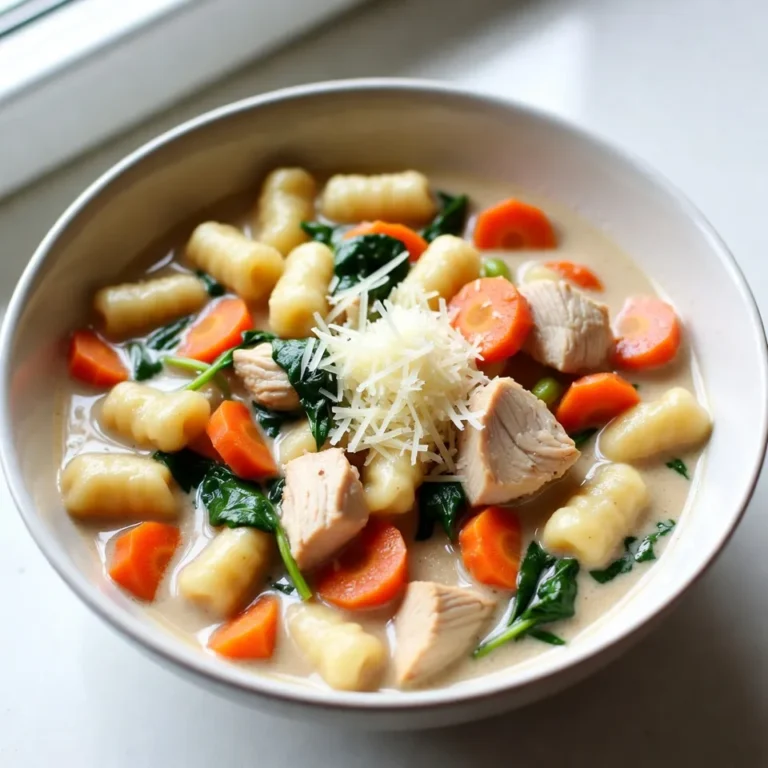
To make this creamy chicken gnocchi soup, gather these fresh ingredients: - 1 medium onion, diced - 2 cloves garlic, minced - 2 medium carrots, diced - 2 celery stalks, diced - 1 pound boneless, skinless chicken breasts, cut into bite-sized pieces - 2 cups fresh spinach You will also need these pantry staples: - 1 tablespoon olive oil - 6 cups chicken broth - 1 teaspoon dried thyme - 1 teaspoon dried oregano - 1 cup heavy cream - 16 oz potato gnocchi - Salt and pepper to taste For a tasty finish, consider these garnishes: - Grated Parmesan cheese for serving - A drizzle of olive oil - Fresh herbs for added flavor This dish is all about balance. The fresh ingredients bring brightness, while the pantry items add depth. Enjoy the process of cooking and savor the flavors! {{ingredient_image_2}} Start by heating one tablespoon of olive oil in a large pot over medium heat. Once the oil is hot, add one medium onion, diced into small pieces. Sauté for about 3-4 minutes. You want the onion to become translucent and fragrant. Then, stir in two cloves of minced garlic, two diced carrots, and two diced celery stalks. Cook this mix for another 5 minutes. This step builds a great base of flavor for your soup. Now it’s time to add the chicken. Cut one pound of boneless, skinless chicken breasts into bite-sized pieces. Increase the heat to medium-high and add the chicken to the pot. Sauté the chicken, stirring occasionally. Cook until the chicken is browned on all sides, which should take about 5-7 minutes. This browning adds depth to the soup's flavor. Next, pour in 6 cups of chicken broth. Sprinkle in one teaspoon each of dried thyme and dried oregano. Bring the soup to a boil, then reduce the heat to low. Let it simmer uncovered for about 15 minutes. This allows all the flavors to meld nicely. After that, stir in one cup of heavy cream and 16 ounces of potato gnocchi. Let the soup simmer for an additional 5-7 minutes. The gnocchi will rise to the surface when they are cooked through. Finally, fold in two cups of fresh spinach and cook for another 2-3 minutes, just until the spinach wilts. Enjoy the rich aroma as you prepare this hearty meal! To get that rich and creamy texture, use heavy cream. This adds depth to the soup. Stir it in after the broth and herbs simmer. Let it cook a bit longer to blend the flavors. If you want a lighter option, you can mix in some whole milk. Just don’t skip the cream completely, as it gives the soup its signature taste. Store any leftover soup in an airtight container. It stays fresh for about three days in the fridge. When you reheat, add a splash of chicken broth. This keeps the soup from becoming too thick. If you want to freeze it, do so without the cream. The cream can separate when thawed. Add it in when you reheat the soup. One common mistake is overcooking the gnocchi. They only need a few minutes to cook. If they sit too long, they become mushy. Also, avoid adding too much salt at the start. The broth already has salt, so taste it first. Lastly, don’t skip the fresh spinach. It brightens the dish and adds great flavor. Pro Tips Use Fresh Herbs: Fresh herbs can elevate the flavor of your soup. Consider adding fresh thyme or basil just before serving for an aromatic touch. Perfect Gnocchi Cooking: To ensure your gnocchi are perfectly cooked, wait until they float to the surface of the soup. This indicates they are done! Customize Your Vegetables: Feel free to add more vegetables like peas or corn, or substitute with your favorites to make the soup your own. Leftover Storage: If you have leftovers, store the soup without the gnocchi. Reheat and add fresh gnocchi to prevent them from becoming mushy. {{image_4}} You can easily adjust this soup to fit dietary needs. For a lighter option, replace heavy cream with a mix of half-and-half or whole milk. If you're lactose intolerant, try almond milk or coconut milk. Both give a creamy texture without dairy. To switch up the flavor, add herbs like basil or rosemary. You can also toss in spices, such as paprika or red pepper flakes for heat. Want a twist? Use shredded rotisserie chicken instead of raw chicken. It saves time and adds a smoky flavor. For a gluten-free soup, check your gnocchi. Many brands offer gluten-free choices made from rice or corn flour. If you want a dairy-free option, skip the cheese garnish or use nutritional yeast. This gives a cheesy flavor without dairy. To keep your creamy chicken gnocchi soup fresh, store it in an airtight container. Make sure it cools down first. Place it in the fridge if you plan to eat it within 3-4 days. If you want to enjoy it later, freezing is a great option. When you're ready to enjoy your soup, reheat it gently. Pour the soup into a pot and warm it over low heat. Stir it often to prevent sticking. If the soup is too thick, add a splash of chicken broth or water. You can also microwave it in intervals, stirring in between. Freezing creamy chicken gnocchi soup can be easy. Use a freezer-safe container and leave some space at the top. This lets the soup expand as it freezes. It will keep well for about 2-3 months in the freezer. To thaw, place it in the fridge overnight before reheating. Avoid refreezing any soup that has already been thawed. Yes, you can use homemade gnocchi in this soup. Fresh gnocchi adds a delightful texture. Just ensure they are cooked before adding them to the soup. If you choose to make them from scratch, wait until the soup is almost done. Add the gnocchi during the last few minutes of cooking. This way, they will stay soft and delicious. Creamy chicken gnocchi soup pairs well with many sides. Here are a few ideas: - Crusty bread: Perfect for dipping. - Salad: A fresh green salad adds crunch. - Garlic bread: A savory option to complement the soup. These sides balance the richness of the soup and enhance your meal. You can make this soup ahead of time, which is great for meal prep. To do this, follow these steps: 1. Prepare the soup: Make it up to the point before you add the gnocchi. 2. Cool it down: Let the soup cool completely before storing. 3. Store in the fridge: Keep it in an airtight container. It lasts up to 3 days. 4. Reheat and add gnocchi: When ready to serve, heat the soup and add the gnocchi. Cook until they float to the top. This keeps the gnocchi from becoming mushy. We covered key ingredients, step-by-step cooking, and helpful tips for creamy chicken gnocchi soup. You learned how to make it creamy and store leftovers well. Plus, we explored tasty variations to suit your taste. Try using fresh herbs or different proteins for a unique twist. This soup can fit many diets and is easy to store. Enjoy making this dish your own with these insights. Happy cooking!

Creamy Chicken Gnocchi Soup Hearty and Flavorful Meal

Read More Creamy Chicken Gnocchi Soup Hearty and Flavorful MealContinue

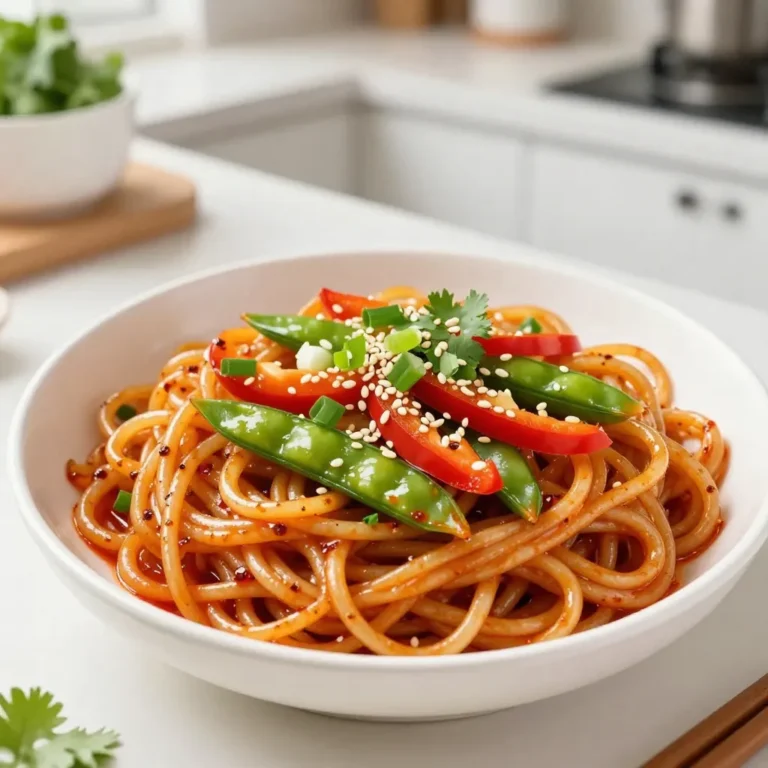
To make Sweet Chili Garlic Noodles, you need some tasty ingredients. Here’s what you'll need: - 8 oz rice noodles - 3 tablespoons sweet chili sauce - 2 tablespoons soy sauce - 1 tablespoon sesame oil - 4 cloves garlic, minced - 1 tablespoon fresh ginger, grated - 1 red bell pepper, thinly sliced - 1 cup snap peas, trimmed - 1 green onion, finely chopped - 1 tablespoon sesame seeds, toasted - Fresh cilantro leaves for garnish - Salt and black pepper to taste Each ingredient adds its own flavor. The rice noodles are the base. They soak up the sauces well. Sweet chili sauce gives a nice sweet and spicy kick. Soy sauce adds depth to the dish. Sesame oil brings a warm, nutty taste. Minced garlic and fresh ginger create a rich aroma. The red bell pepper and snap peas add crunch and color. Green onion and sesame seeds finish off the dish with extra flair. Fresh cilantro gives a pop of brightness. Salt and pepper enhance all these flavors. Gather these ingredients before you start cooking. This way, everything is ready to go. Enjoy the process of creating this simple and flavorful meal! {{ingredient_image_2}} Start by boiling water in a large pot. Add 8 oz of rice noodles. Cook them for about 4-6 minutes, or until they are soft. Stir them occasionally so they don’t stick. Once cooked, drain the noodles in a colander. Let them sit for a minute to get rid of extra water. In a bowl, mix the sauces. Combine 3 tablespoons of sweet chili sauce with 2 tablespoons of soy sauce. This mix adds a sweet and salty flavor that pairs well with the noodles. Set this sauce aside while you prepare the rest of the dish. In a large skillet or wok, heat 1 tablespoon of sesame oil over medium heat. Add 4 cloves of minced garlic and 1 tablespoon of grated ginger. Cook them for about 1 minute, stirring constantly. This step makes your kitchen smell amazing! Next, add 1 thinly sliced red bell pepper and 1 cup of snap peas. Stir-fry for 3-4 minutes. The veggies should be bright and crisp. Now, add the drained noodles to the skillet. Pour the sauce mixture over everything. Gently toss the noodles, veggies, and sauce together. Cook for another 2-3 minutes so the noodles soak up the flavors. Taste and add salt and black pepper if needed. Finally, transfer the noodles to a serving platter. Top with chopped green onions, toasted sesame seeds, and fresh cilantro. This dish looks as good as it tastes! To cook rice noodles just right, start by following the package instructions. Make sure to use plenty of water and a big pot. Cooking time varies, so check for doneness. The noodles should be soft but not mushy. After cooking, drain them well. Let them rest in the colander for a few minutes to remove extra moisture. This helps prevent clumping when you mix them with the sauce. You can boost the flavor of your Sweet Chili Garlic Noodles in several ways. Add a dash of lime juice for a fresh kick. You could also sprinkle in some red pepper flakes if you like heat. For a deeper taste, use low-sodium soy sauce or even coconut aminos. Fresh herbs like basil or mint can add a nice twist. Don't forget to taste as you go, adjusting salt and pepper as needed. Presentation can make your meal look even better. Serve the noodles in shallow bowls to show off the colors. Arrange the veggies neatly on top for a beautiful display. Sprinkle with toasted sesame seeds for added crunch and a nutty flavor. A small bouquet of cilantro on top adds a lovely touch. This way, your Sweet Chili Garlic Noodles will not only taste great but also look appetizing! Pro Tips Use Fresh Ingredients: Fresh garlic and ginger will elevate the flavor of your noodles significantly. Always opt for fresh over powdered or jarred options when possible. Customize Your Veggies: Feel free to swap in your favorite vegetables based on what you have on hand or what’s in season. Broccoli, carrots, or bok choy all work wonderfully! Adjust the Spice Level: If you prefer more heat, add sliced red chili peppers or a dash of chili flakes to the stir-fry for an extra kick! Perfect Noodle Texture: Be careful not to overcook the rice noodles; they should be tender but still have a slight bite to them for the best texture. {{image_4}} You can easily add protein to sweet chili garlic noodles. Chicken, shrimp, and tofu work well. If you choose chicken, use thin strips for quick cooking. Cook the chicken until golden before adding garlic and ginger. For shrimp, toss them in when you stir-fry the vegetables. They cook fast and add great flavor. If you want a plant-based option, use firm tofu. Press it to remove moisture, then cube it and sauté until crispy. These options will make your meal more filling and tasty. Adding more vegetables boosts nutrition and color. Broccoli and carrots are great choices. For broccoli, cut it into small florets and add it with the other veggies. Carrots can be sliced thinly for quicker cooking. Snap peas are already in the recipe, but you can also add bell peppers, bok choy, or spinach. Feel free to mix and match to suit your taste. The more colors you add, the more appealing your dish will look. To adjust the heat of your sweet chili garlic noodles, use chili flakes. If you like it spicy, add more chili flakes to the sauce. Start with a small amount and taste as you go. You can also use fresh chili peppers if you want a bolder flavor. For those who prefer milder dishes, skip the chili flakes altogether. Finding your perfect level of spice will make this dish just right for you. To store leftover Sweet Chili Garlic Noodles, first, let them cool. Place the noodles in an airtight container. Make sure to seal it tightly to keep moisture out. Store the container in the fridge. The noodles will stay fresh for 3 to 4 days. If you want to keep them longer, consider freezing. Reheating is simple and quick. You can use a microwave or a stovetop. For the microwave, place the noodles in a bowl. Add a splash of water to keep them moist. Heat in short bursts, stirring in between. On the stovetop, add the noodles to a pan over medium heat. Stir in a bit of water or oil. Heat until warm, stirring often. Freezing the noodles is a great option for meal prep. Start by cooling the noodles completely. Portion them into freezer-safe bags or containers. Squeeze out as much air as possible to prevent freezer burn. Label the bags with the date. The noodles will last up to 2 months in the freezer. When ready to eat, defrost in the fridge overnight before reheating. Yes, you can use different noodles. For this dish, I recommend using any thin noodle. Try egg noodles or udon for a fun twist. Cook them according to the package. Just remember to adjust the cooking time. You want the noodles tender but not mushy. If you don’t have sweet chili sauce, I have a few ideas. Mix honey or maple syrup with soy sauce. Add a touch of hot sauce for heat. You can also use sriracha, but it is spicier. Adjust the amount to your taste. Making this dish vegan is easy! Use vegetable broth instead of any meat-based sauces. Ensure your sweet chili sauce is vegan. Most brands are, but check the label. You can add tofu or tempeh for protein. This will keep the meal hearty and delicious. In this article, I shared a simple recipe for sweet chili garlic noodles. We covered the key ingredients and step-by-step cooking methods. I also included tips for perfect noodles and ideas for variations. Don't forget to store any leftovers correctly to enjoy later. This dish is versatile, allowing you to personalize it with proteins and veggies. You can easily adjust spice levels to fit your taste. Enjoy making this quick and flavorful meal that brightens any dinner!

Sweet Chili Garlic Noodles Flavorful and Simple Meal

Read More Sweet Chili Garlic Noodles Flavorful and Simple MealContinue

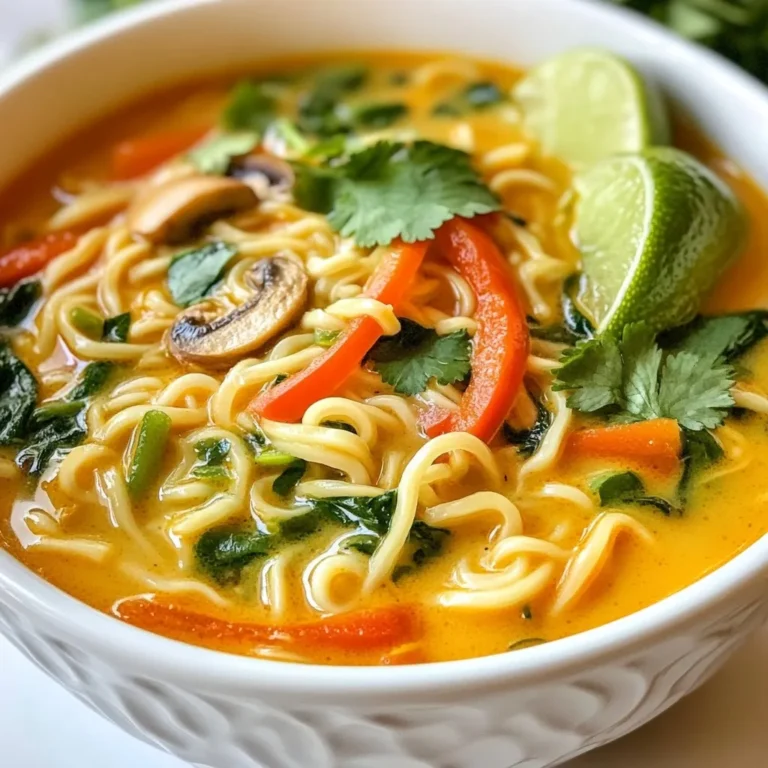
- 4 cups vegetable broth - 1 can (13.5 oz) coconut milk - 2 tablespoons red curry paste - 1 teaspoon turmeric powder - 1 tablespoon soy sauce - 1 tablespoon freshly squeezed lime juice - 200g ramen noodles - 1 cup shiitake mushrooms, cleanly sliced - 1 cup baby spinach, washed and drained - 1 red bell pepper, thinly sliced - 1 medium carrot, julienned - Fresh cilantro leaves, for garnish - Lime wedges, for serving - Salt and black pepper, to taste This coconut curry ramen is not just tasty; it’s also healthy. Each serving has a good mix of nutrients. It offers fiber from vegetables and healthy fats from coconut milk. Here’s a quick look at the nutritional value per serving: - Calories: Approximately 350 - Protein: 10g - Carbohydrates: 50g - Fat: 15g - Fiber: 5g You can easily swap some ingredients to fit your taste or diet. Here are some ideas: - Use chicken or beef broth instead of vegetable broth for a non-vegetarian option. - Swap coconut milk for almond or soy milk for a lighter option. - If you don’t have red curry paste, use yellow curry paste for a different flavor. - Shiitake mushrooms can be replaced with button mushrooms or any favorite kind. - For a gluten-free version, choose rice noodles instead of traditional ramen noodles. These swaps keep the dish delicious while catering to your needs! {{ingredient_image_2}} To start, grab a large pot. Pour in 4 cups of vegetable broth. Heat it on medium until it simmers gently. Next, add a can of coconut milk. Whisk it in well until smooth. Then, mix in 2 tablespoons of red curry paste and 1 teaspoon of turmeric powder. Add 1 tablespoon of soy sauce and 1 tablespoon of lime juice. Stir this mixture for about 5 minutes. Let the flavors blend and create a creamy broth. Now it's time to add some color! Toss in 1 cup of sliced shiitake mushrooms, 1 cup of thinly sliced red bell pepper, and 1 medium carrot that you julienned. Cook these veggies for 5 to 7 minutes. You want them tender but still crisp. Then, add 1 cup of fresh baby spinach. Stir gently and let it wilt for about 2 minutes. This adds a fresh touch and bright color to your dish. While the veggies cook, prepare 200g of ramen noodles. Follow the package instructions for the best results. Once the noodles are done, drain them and set them aside. After the spinach wilts, stir in the cooked ramen noodles. Let everything warm together for another 2 minutes. Taste the ramen and season with salt and black pepper. Serve the ramen hot in bowls. Garnish with fresh cilantro leaves and lime wedges. Enjoy your delicious coconut curry ramen! To make the best coconut curry ramen, focus on your broth. Use fresh vegetable broth for a deeper taste. The coconut milk adds creaminess and sweetness. Adjust the red curry paste to your spice level. For brightness, include lime juice just before serving. This will lift the flavors. Always taste your broth before serving. Season with salt and black pepper for balance. One mistake is overcooking the vegetables. They should stay crisp and colorful. Cook them just until tender. Another error is not properly mixing the curry paste. Whisk it well into the broth to avoid lumps. Do not skip the lime juice; it adds vital flavor. Lastly, make sure to drain the ramen noodles well. Excess water can dilute your dish. Serve coconut curry ramen hot in bowls. Garnish each bowl with fresh cilantro leaves. Add lime wedges on the side for extra zest. For crunch, sprinkle toasted sesame seeds on top. If you like heat, add crushed red pepper flakes. Pair this dish with a side of crispy spring rolls for a fun meal. Enjoy the vibrant colors and flavors! Pro Tips Fresh Ingredients: Always use fresh vegetables for the best flavor and texture. They will enhance the overall taste of your ramen. Adjusting Spice Levels: If you prefer a milder curry, start with less red curry paste and gradually add more to taste. You can always add more, but you can't take it out! Customizable Add-Ins: Feel free to add your favorite protein, like tofu or chicken, or other vegetables such as bok choy or snap peas for a personalized touch. Serving Suggestions: Serve with lime wedges and extra cilantro on the side, allowing guests to customize their bowls for a fresh, zesty finish. {{image_4}} Adding protein boosts the nutrition of your Coconut Curry Ramen. You can try: - Sliced chicken breast - Shrimp or prawns - Tofu, cubed and sautéed Cook the protein in the broth. This way, it absorbs all the great flavors. For chicken, let it simmer until cooked through. For shrimp, just add them a few minutes before serving. If you love heat, make your ramen spicy. You can: - Use extra red curry paste - Add sliced jalapeños or chili peppers - Include a splash of sriracha These additions give your dish a nice kick. Begin with small amounts. You can always add more to reach your desired spice level. Make this dish vegan by swapping a few ingredients. Use: - Vegetable broth instead of chicken broth - Tofu instead of meat - Ensure the soy sauce is vegan-friendly You can also enhance the flavor with more veggies. Try adding bok choy, zucchini, or snap peas. This makes the dish colorful and nutritious. To store your leftover coconut curry ramen, let it cool first. Use an airtight container. Place the ramen and broth in the container. This keeps the flavors fresh and tasty. Store it in the fridge for up to three days. When you're ready to eat, reheat the ramen gently. Pour it into a pot and warm it over low heat. Stir often to avoid sticking. If it seems thick, add a splash of vegetable broth or water. This helps restore its creamy texture. You can also use the microwave. Heat in a bowl for about 2-3 minutes. Stir halfway through to heat evenly. If you want to freeze the ramen, it's best to keep the noodles and broth separate. Cooked noodles can become mushy when frozen. Store the broth in an airtight container and the noodles in another. You can freeze both for up to two months. When you're ready to enjoy, thaw the broth overnight in the fridge. Reheat it, then add fresh noodles. This keeps the dish delicious and satisfying. Coconut Curry Ramen is a tasty noodle soup. It combines rich coconut milk and spicy red curry. You get a warm, creamy broth with fresh veggies and noodles. This dish is perfect for a cozy night in. You can enjoy it hot and steamy. Yes, you can make this dish gluten-free. Simply use gluten-free ramen noodles. Check the soy sauce label for gluten-free options. You can find tamari sauce as a great substitute. This way, you still get full flavor without gluten. To spice up this ramen, add more red curry paste. You can also sprinkle in some crushed red pepper flakes. If you like fresh heat, try adding sliced jalapeños. For a kick, serve with a dash of hot sauce. Adjust the spice to your liking for a bold flavor! In this post, we explored how to make delicious Coconut Curry Ramen. We covered the key ingredients and their nutritional value, plus some tasty swaps. I shared step-by-step instructions, from making the broth to cooking vegetables and assembling your bowl. Tips on flavor, common mistakes, and serving ideas can elevate your dish. With variations for protein, spice, or vegan options, you have many choices. Finally, proper storage and reheating will help you enjoy leftovers. Making Coconut Curry Ramen is simple and fun, so get cooking!

Coconut Curry Ramen Flavorful and Easy Recipe

Read More Coconut Curry Ramen Flavorful and Easy RecipeContinue

Page navigation

Previous PagePrevious 1 … 33 34 35 36 37 38 Next PageNext

Our Policys

  • Privacy Policy
  • Cookie Policy
  • Copyright Policy
  • GDPR Policy
  • Disclaimer
  • Terms Of Use

More Information

  • Home
  • About
  • Contact
  • Appetizer
  • Desserts
  • Dinner
  • Drinks

© 2026 blissfulmeal

  • Home
  • Dinner
  • Appetizer
  • Desserts
  • Drinks
  • About
  • Contact
  • Privacy Policy
Search